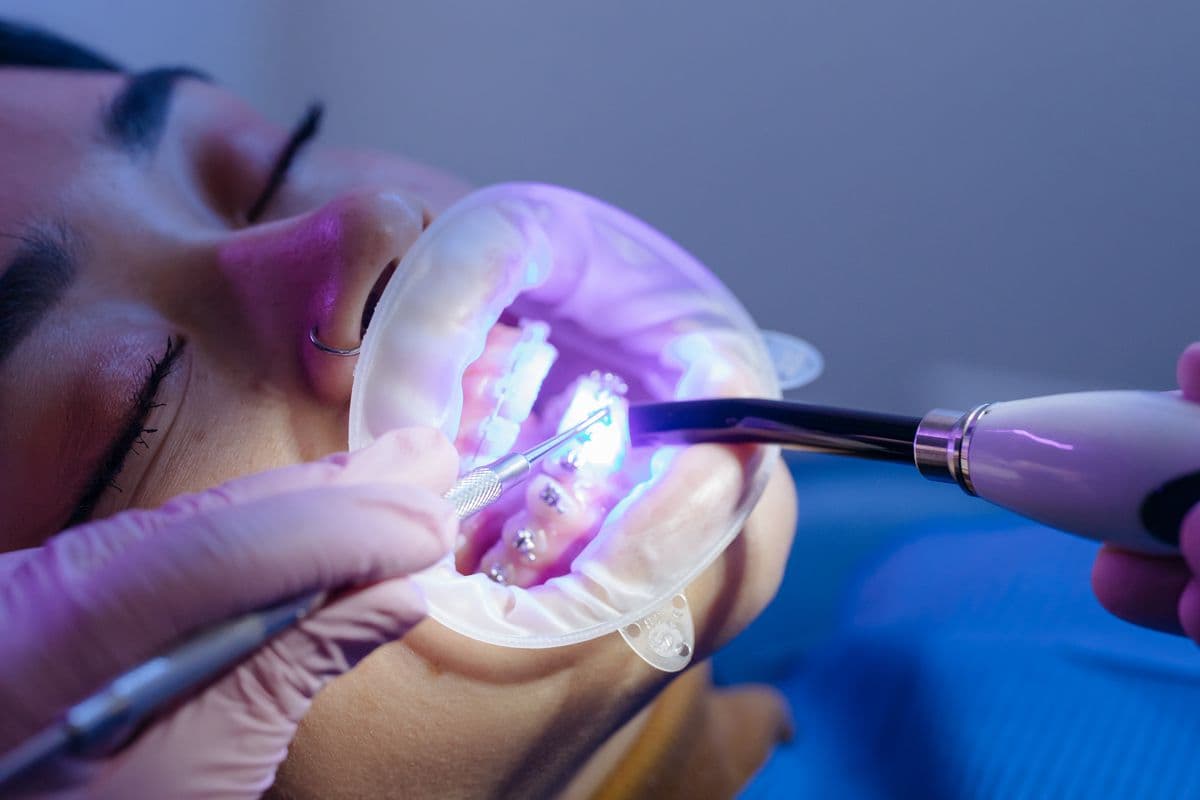
Choosing between the different types of braces can feel overwhelming when a first consultation is still weeks away. Metal, ceramic, lingual and clear aligner systems all move teeth using the same basic principle: gentle, sustained pressure. But they differ in cost, visibility, comfort and how long treatment takes.
This guide breaks down each type in plain terms, so patients (or parents researching on behalf of a child) can walk into a specialist orthodontist appointment with a clearer idea of what to expect.
What Are the Different Types of Braces Available Today?
There are four main categories of braces treatment used in Australia: traditional metal braces, ceramic braces, lingual braces and clear aligners. A fifth option, self-ligating braces, is a variation on the metal or ceramic bracket system rather than a separate category.
Traditional Metal Braces
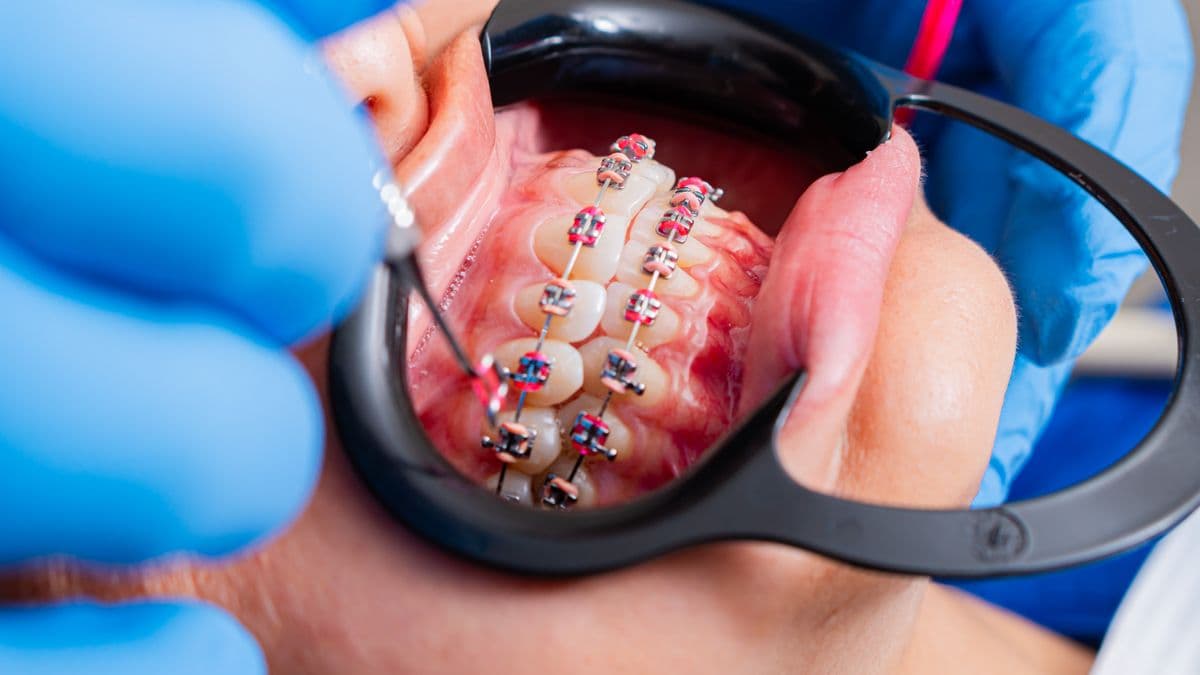
Traditional metal braces remain the most common and versatile option for correcting crooked teeth, gaps and bite issues of almost any complexity.
Metal braces use small brackets bonded to each tooth, connected by an archwire and held in place with tiny elastic ties or bands. At each visit, the wire is tightened, applying steady pressure to move teeth into position over time.
How Metal Braces Work
The brackets are made from high-grade stainless steel, chosen for its strength and reliability under constant pressure. Archwires are adjusted roughly every four to eight weeks as teeth respond and shift.
Because the system has been refined over decades, metal braces can treat complex cases that other options, including aligners, may not be suitable for.
Cost and Treatment Time for Traditional Metal Braces
Based on current Australian orthodontic pricing and guidance from the Australian Society of Orthodontists, standard metal braces typically cost between $6,000 and $9,000 for a full course of treatment, with simple or limited cases sometimes falling below this range. Treatment time is usually 18 to 24 months, though simpler cases can finish sooner.
Modern brackets are smaller and less bulky than older designs, and coloured elastic ties are a popular option for younger patients who want to personalise their braces.
Ceramic Braces

Ceramic braces work in the same way as metal braces but use tooth-coloured or clear brackets, making them noticeably less visible.
The archwire is still metal, but the brackets themselves are made from a ceramic material designed to blend with natural tooth enamel. This makes ceramic braces a popular middle ground between the strength of fixed braces and a more discreet appearance.
Benefits and Drawbacks of Ceramic Braces
The main advantage of ceramic braces is appearance. From a short distance, ceramic brackets are far less noticeable than traditional metal brackets, which is why they are popular with image-conscious teens and adults.
The trade-off is that ceramic brackets are more fragile than metal and can be slightly larger, so they need more careful cleaning to avoid staining around the edges.
Ceramic Braces Cost
Ceramic braces generally cost more than metal braces, with typical pricing in Australia sitting between $7,000 and $11,000 for a full course of treatment. Treatment time is broadly similar to metal braces, though ceramic cases can occasionally run a little longer.
Self-Ligating Braces

Self-ligating braces look similar to traditional metal braces but use a built-in clip to hold the archwire in place, rather than elastic ties.
This design is available in both metal and ceramic versions, so it is not a separate material category so much as a different mechanism for holding the wire.
How Self-Ligating Braces Differ from Traditional Braces
Because there are no elastic ties to replace, some orthodontists find self-ligating systems allow slightly quicker adjustment appointments. However, orthodontic research does not consistently show that self-ligating braces shorten overall treatment time compared with traditional braces, so any speed or comfort benefit varies by case and is worth discussing directly with a specialist orthodontist.
Lingual Braces
Lingual braces are fitted to the back (tongue-side) of the teeth instead of the front, making them a genuinely hidden braces option.
Each bracket is custom-made in a dental laboratory to fit the unique shape of the back of each tooth, which is part of why lingual braces are the most expensive fixed option.
Pros and Cons of Lingual Braces
The obvious advantage is discretion. Lingual braces are invisible from the front, which appeals to adults in client-facing roles or performers who do not want visible metal and ceramic on their front teeth.
The trade-offs include a longer adjustment period for speech, more difficulty cleaning around the brackets, and appointments that tend to be longer and more frequent than other types of braces.
Lingual Braces Cost
Lingual braces are the most expensive type of fixed braces, generally ranging from $9,000 to $15,000 or more depending on complexity and whether one or both arches are treated. This reflects the custom manufacturing process behind each bracket.
Clear Aligners

Clear aligners, of which Invisalign is the best-known brand, use a series of custom-made, removable clear plastic trays instead of brackets and wires.
Each tray applies gentle pressure to move teeth slightly, before being swapped for the next tray in the series roughly every one to two weeks.
How Clear Aligners Work
Clear aligners are virtually invisible when worn and are typically removed for eating and cleaning, which many patients find more comfortable day-to-day than fixed braces.
For aligners to work as planned, they generally need to be worn for around 22 hours a day, taken out only for meals and brushing. A full course of clear aligner treatment typically costs $7,000 to $10,000 in Australia, depending on case complexity and the aligner system used.
Who Clear Aligners Suit Best
Clear aligners tend to suit mild to moderate cases of crowding, spacing or minor bite issues best. Complex cases involving significant tooth movement or jaw correction are still more reliably treated with traditional braces.
Compliance matters more with aligners than fixed braces treatment, since results depend on the trays being worn as directed rather than fitted permanently.
Comparing the Cost of Different Types of Braces
Cost is one of the biggest factors patients weigh up when comparing types of braces. The table below summarises typical Australian pricing and treatment time as a general guide only, since individual quotes depend on case complexity.
| Type of Braces | Typical Cost (AUD) | Typical Treatment Time | Best Suited To |
|---|---|---|---|
| Traditional metal braces | $6,000 to $9,000 | 18 to 24 months | Mild to complex cases |
| Ceramic braces | $7,000 to $11,000 | 18 to 26 months | Complex cases, discretion preferred |
| Self-ligating braces | $5,500 to $9,500 | 18 to 24 months (similar to traditional) | Similar cases to traditional braces |
| Lingual braces | $9,000 to $15,000+ | 20 to 30 months | Complex cases needing full discretion |
| Clear aligners | $7,000 to $10,000 | 6 to 18 months | Mild to moderate cases |
What Affects the Total Cost of Braces Treatment
The type of braces chosen is the biggest factor, but case complexity, whether extractions are needed, and the number of arches treated all affect the final quote. Many practices also offer payment plans to spread the cost across the treatment period.
Private health insurance extras cover can offset part of the cost of orthodontic treatment, though most policies apply waiting periods and lifetime limits, so it is worth checking your policy's fine print before booking. It is also worth noting that the Child Dental Benefits Schedule (CDBS) does not cover orthodontic treatment such as braces or aligners.
How to Choose the Right Type of Braces
The right choice comes down to three main factors: how complex the case is, how much visibility matters to the patient, and budget. A specialist orthodontist assesses all three during an initial consultation, usually with X-rays and a physical examination.
Questions to Ask an Orthodontist
- How complex is this particular case, and does that rule out any type of braces?
- What is the realistic treatment time for each option being considered?
- What does the quote include (retainers, adjustments, emergency visits)?
- Are payment plans or health fund rebates available?
Bringing these questions to the first appointment helps turn a general enquiry about types of braces into a specific, workable treatment plan.
Getting the Right Advice Locally
Every smile is different, so the most suitable type of braces will depend on factors such as tooth alignment, bite, oral health and the treatment needed. Cost is worth considering, but it should not be the only factor when comparing orthodontic options.
A dental check-up is a useful first step before choosing between metal braces, ceramic braces, lingual braces or clear aligners. At Perfect Dental Fairfield, a general dental check-up can help identify any oral health concerns that may need attention before orthodontic treatment begins. Where orthodontic assessment is needed, our team can help point you in the right direction.
New Patient Offer
Not sure where to start? Book a check-up at Perfect Dental Fairfield from $99. We can assess your oral health and discuss your options before any orthodontic treatment begins.