
A sip of cold water or a bite of ice cream can quickly turn into an uncomfortable experience for those with sensitive teeth.
Sensitive teeth occur when the protective enamel wears down, or the roots of the teeth become exposed, making everyday activities such as eating, drinking and brushing uncomfortable. Tooth sensitivity can also indicate an underlying dental problem that requires professional treatment.
Understanding what triggers sensitivity can help prevent further discomfort. This guide covers common causes, at-home relief, professional treatment options and when to seek dental care.
What is tooth sensitivity?
Dentine hypersensitivity is a form of tooth sensitivity that causes a short, sharp sensation when exposed dentine reacts to external triggers.
Beneath the enamel is a layer called dentine, which contains microscopic channels leading towards the dental pulp. When the dentine loses its protective covering, these channels allow external stimuli to trigger a pain response.
Common triggers include:
- Hot or cold temperatures
- Sweet or acidic foods and drinks
- Breathing in cold air
- Brushing or flossing
- Cold water during mouth rinsing
Discomfort associated with dentine hypersensitivity typically subsides once the trigger is removed. Lingering pain may indicate a different underlying condition.
What causes sensitive teeth?
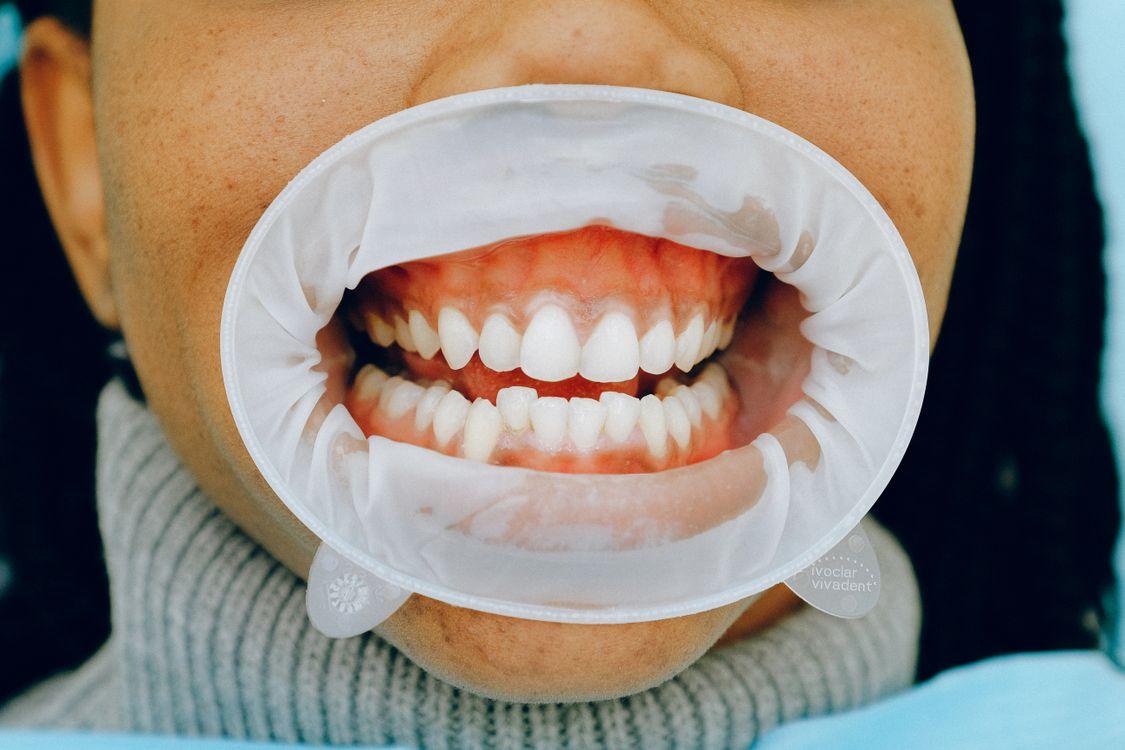
Sensitive teeth can develop due to enamel erosion, gum recession, dental damage or certain lifestyle habits. Identifying the underlying cause is an essential part of choosing an appropriate treatment.
Worn tooth enamel
Tooth enamel is the hard outer layer that protects the underlying tooth structure. Frequent consumption of acidic beverages, citrus fruits and soft drinks can gradually cause enamel to wear away. As the protective layer becomes thinner, the teeth may become more sensitive to temperature changes.
Receding gums and gum disease
Gum recession exposes root surfaces that do not have the same enamel protection as the crowns of the teeth. Gum disease, ageing and aggressive brushing can contribute to recession. Bleeding, swollen or tender gums alongside sensitivity may indicate a periodontal condition requiring treatment.
Brushing too hard
Using a hard-bristled toothbrush can contribute to tooth wear and gum recession over time, while highly abrasive toothpaste can contribute to tooth wear. Gentle brushing with a soft-bristled brush helps remove plaque without placing unnecessary pressure on the teeth and surrounding tissues.
Tooth decay and damaged restorations
A cavity, cracked teeth or a worn filling can expose sensitive areas of a tooth. Discomfort may be particularly noticeable when biting, chewing or consuming something cold. These dental problems generally require professional assessment rather than sensitivity toothpaste alone.
Teeth grinding
People who grind or clench their teeth may gradually damage the protective enamel. Repeated pressure can also contribute to small cracks and increased sensitivity. A custom night splint may be recommended following an assessment of grinding habits.
Sensitive teeth after whitening
Teeth whitening can temporarily increase sensitivity as bleaching ingredients pass through the tooth structure and affect the pulp. The discomfort often settles after treatment ends. Persistent or severe sensitivity should be assessed before further use of teeth whiteners.
Why do teeth hurt when eating cold food?
Teeth may hurt when eating cold food because temperature changes are thought to cause fluid movement within exposed dentine channels, stimulating a pain response within the tooth. However, the location, duration and timing of the discomfort can provide useful clues about its possible causes.
| Sensitivity pattern | Potential cause |
|---|---|
| Brief discomfort across several teeth | Enamel wear or exposed dentine |
| Sensitivity near the gum line | Gum recession |
| Pain concentrated in a single tooth | Decay, a crack or a damaged restoration |
| Discomfort when biting or chewing | Tooth damage or inflammation |
| Pain that continues after a cold drink | Possible inflammation of the dental pulp |
These patterns are not a substitute for a diagnosis, but recording them can help a dental professional investigate the source of discomfort.
How to fix sensitive teeth at home
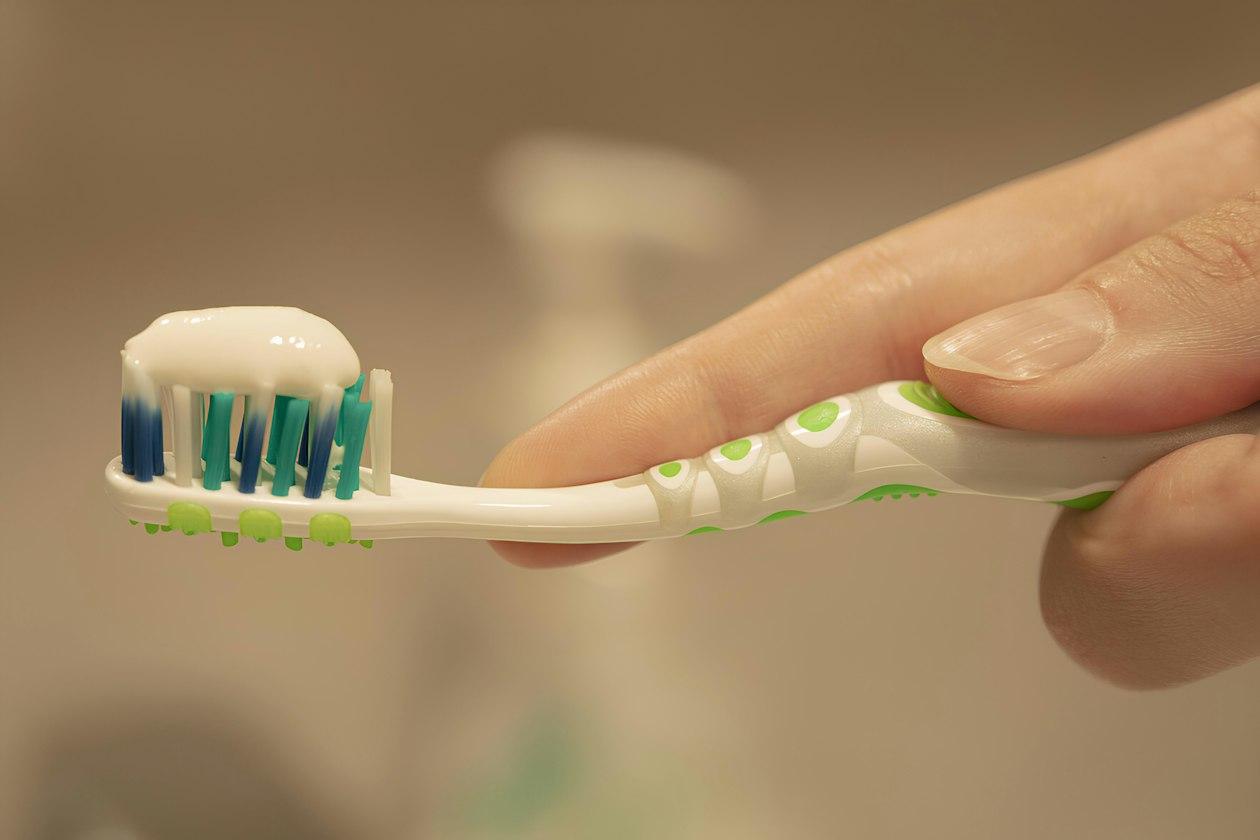
Mild tooth sensitivity may improve with changes to daily brushing habits, dietary choices and oral care products. However, home remedies cannot repair structural damage or treat an underlying infection.
Use desensitising toothpaste
Desensitising toothpaste contains ingredients that help reduce sensitivity by blocking dentine channels or reducing nerve responsiveness. Products containing potassium nitrate or stannous fluoride may be suitable for daily use. Regular application according to the product instructions is necessary, as relief may not be immediate.
Adopt a gentle brushing technique
Brushing twice daily for two minutes with a soft-bristled brush supports good oral hygiene while reducing unnecessary wear. Avoid vigorous scrubbing around the gum line. Spitting out excess fluoride toothpaste without immediately rinsing also allows the active ingredients to remain on the teeth for longer.
Limit acidic food and beverages
Frequent exposure to dietary acids can contribute to enamel erosion and lead to sensitivity. Reducing consumption of soft drinks and other acidic beverages, drinking water after meals and avoiding brushing immediately after consuming acidic products can help protect the tooth surface.
Choose suitable oral care products
A low-abrasion fluoride toothpaste and a gentle toothbrush can support everyday oral health. An appropriate fluoride mouthwash may also be recommended based on individual dental needs. Whitening products should be paused if they cause pain or discomfort.
Sensitive teeth treatment: what are the options?
Professional treatment for sensitive teeth depends on whether the discomfort is caused by exposed dentine, enamel erosion, gum recession or damage to the tooth. A dental examination helps determine which approach is appropriate.
| Treatment | Best suited for | How it works |
|---|---|---|
| Desensitising toothpaste | Dentine hypersensitivity | Reduces sensitivity signals or blocks dentine channels |
| Fluoride treatment | Enamel weakening and sensitivity | Supports enamel remineralisation and may reduce sensitivity |
| Dental bonding | Localised areas of exposed dentine | Covers vulnerable tooth surfaces |
| Fillings or crowns | Decayed or damaged teeth | Restores and protects affected tooth structures |
| Gum grafting | Significant gum recession | Covers exposed root surfaces where appropriate |
Root canal treatment may also be necessary when persistent discomfort is associated with irreversible pulp inflammation or infection. It is not a routine treatment for mild sensitivity.
How to prevent sensitive teeth from getting worse

Preventing sensitive teeth involves protecting enamel, maintaining healthy gums and addressing habits that contribute to tooth wear. The following practices can help maintain oral comfort over time:
- Brush twice daily with a soft-bristled toothbrush and fluoride toothpaste
- Floss daily to remove plaque from between the teeth and along the gum line
- Limit acidic and sugary foods and drinks
- Drink water after meals to help neutralise acids
- Use a mouthguard if you grind your teeth at night
- Attend regular dental check-ups to identify problems early
- Avoid using hard-bristled brushes or highly abrasive whitening products
When to see a dentist about tooth sensitivity
Some degree of sensitivity may resolve with appropriate home care, but professional assessment is recommended in the following situations:
- Sensitivity is worsening or not improving with desensitising toothpaste after several weeks
- Discomfort is concentrated in a single tooth
- Pain persists for more than a few seconds after a trigger is removed
- Sensitivity is accompanied by visible damage, swelling or bleeding gums
- You notice changes in tooth colour or texture
Dental emergency
Seek prompt care if you experience severe or spontaneous tooth pain that does not improve with pain-relief medicines. Facial swelling accompanied by fever requires urgent assessment. Difficulty breathing or speaking, or swelling around the eye or neck associated with dental pain, requires immediate emergency medical attention.
Find lasting relief for sensitive teeth
Sensitive teeth can often be managed through appropriate oral care and treatment that addresses the underlying cause. Early assessment can help prevent minor concerns from developing into more complex problems.
At Perfect Dental in Fairfield, we assess the source of tooth sensitivity and recommend treatment based on individual needs. Our approach combines preventive and restorative dentistry to help patients maintain comfortable, healthy smiles.
Contact our friendly team to arrange a dental check-up.