
Not every tooth problem is a dental emergency, but some situations will not wait.
Knowing the difference can save a tooth, prevent a serious infection from spreading, or, in rare cases, save a life.
A Simple Way to Think About Urgency
Dental problems generally fall into three categories: those that need attention within the hour, those that need same-day care, and those that can be scheduled within the next week or so.
| Situation | How urgent? | What to do |
|---|---|---|
| Knocked-out permanent tooth | Within 30 minutes | Call us immediately. Store the tooth in milk |
| Facial swelling spreading into jaw or neck | Immediately | Go to hospital emergency or call 000 |
| Difficulty swallowing or breathing | Immediately | Call 000. This is life-threatening |
| Severe, persistent toothache | Same day | Call the clinic when we open |
| Dental abscess (visible swelling near tooth) | Same day | Call the clinic. Do not wait |
| Cracked or broken tooth with sharp pain | Same day | Call the clinic |
| Lost filling or crown, mild discomfort | Within a few days | Book online or call during business hours |
| Chipped tooth, no pain | Within a week | Book a routine appointment |
Knocked-Out Permanent Tooth: The 30-Minute Rule
A knocked-out (avulsed) permanent tooth is the most time-sensitive dental emergency because the cells on the root surface begin to die within minutes of the tooth leaving the mouth.
According to Healthdirect Australia, the best outcomes occur when the tooth is replanted within 30 minutes.
- Pick up the tooth by the crown (the visible white part), not the root
- If the tooth is dirty, rinse it very briefly under cold water. Do not scrub it, dry it, or wrap it in tissue
- If possible, gently reinsert the tooth into the socket and hold it there by biting on clean gauze or a cloth
- If reinsertion is not possible, keep the tooth moist by storing it in a small cup of cold milk or inside your cheek (between the gum and lip)
- Call us immediately and head to the clinic
Important
Never attempt to replant a baby (primary) tooth. Forcing a baby tooth back into the socket can damage the permanent tooth developing beneath it. If your child has lost a baby tooth, seek dental advice but do not try to replace it.
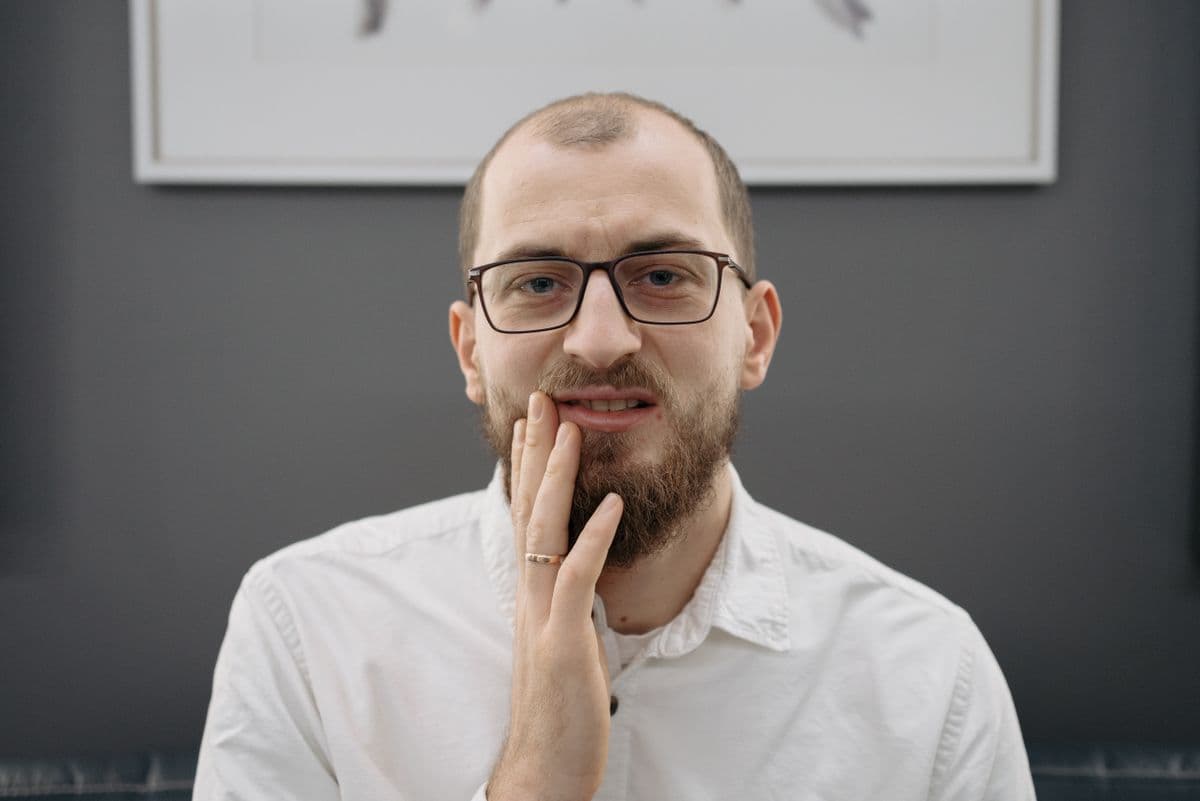
Severe Toothache: When Does It Become Urgent?
Mild tooth sensitivity from hot or cold is usually not an emergency, but there are clear signs that pain needs prompt attention.
Healthdirect Australia advises seeing a dentist as soon as possible if toothache is severe, has lasted more than two days, or is not easing with over-the-counter pain relief.
- Severe, throbbing pain that wakes you from sleep
- Pain that radiates into the jaw, ear, or temple
- Visible swelling of the gum, cheek, or jaw
- A bad taste or discharge near the painful tooth (a sign of infection)
- Fever alongside dental pain
Any of the above warrant a same-day call to the clinic. Dental infections do not resolve on their own and can spread rapidly.
When to Go to Hospital Instead of the Dentist
Most dental emergencies can and should be treated at a dental clinic. However, some symptoms indicate that infection has spread beyond the tooth into the surrounding tissues, and these require hospital emergency care.
- Swelling that is affecting your ability to swallow or open your mouth
- Difficulty breathing or a sensation of throat tightening
- High fever (over 38.5 degrees Celsius) alongside facial swelling
- Significant swelling of the floor of the mouth or neck
If you have any of these symptoms, call 000 or go to your nearest hospital emergency department immediately. These signs can indicate Ludwig's angina or a deep space infection, both of which are medical emergencies.
What to Tell Us When You Call
When you call Perfect Dental Fairfield with a dental emergency, it helps to briefly describe: the nature of the pain or injury, how long it has been present, any swelling or fever, and whether the tooth is still in your mouth.
This lets us determine urgency and, in the case of a knocked-out tooth, talk you through what to do with it while you are on your way to us.
We keep same-day appointments available for genuine emergencies, and there is no emergency surcharge. You can find more detail on what we cover on our emergency dental page.
What About After Hours?
If you have a dental emergency outside our opening hours and it is not a hospital-level situation, the Healthdirect helpline (1800 022 222) can help you assess urgency and locate the nearest after-hours dental service.
For anything that involves spreading swelling, difficulty breathing, or swallowing, go directly to hospital or call 000 regardless of the time.