
Getting the news that a tooth needs significant work done is one of those moments that sends people straight to their phone.
The two treatments that come up most are dental crowns and dental implants, and while both can restore the look and function of a damaged smile, they are designed for completely different clinical situations.
Understanding which one applies to your situation starts with a single question: is your natural tooth still in the jaw, and can it be saved?
The Question That Determines Everything
Before comparing costs or materials, the most important factor is whether the tooth itself is still present.
- Tooth is still in the jaw but cracked, decayed or weakened: a crown is almost always the first option considered, because it protects and restores what you already have.
- Tooth is missing, or has been assessed as unsaveable: an implant replaces it entirely, filling in from root to crown.
A dentist cannot make this call from symptoms alone. X-rays of the root and surrounding bone are needed to assess whether the tooth structure is worth preserving.
Dental Crowns: When the Tooth Can Be Saved
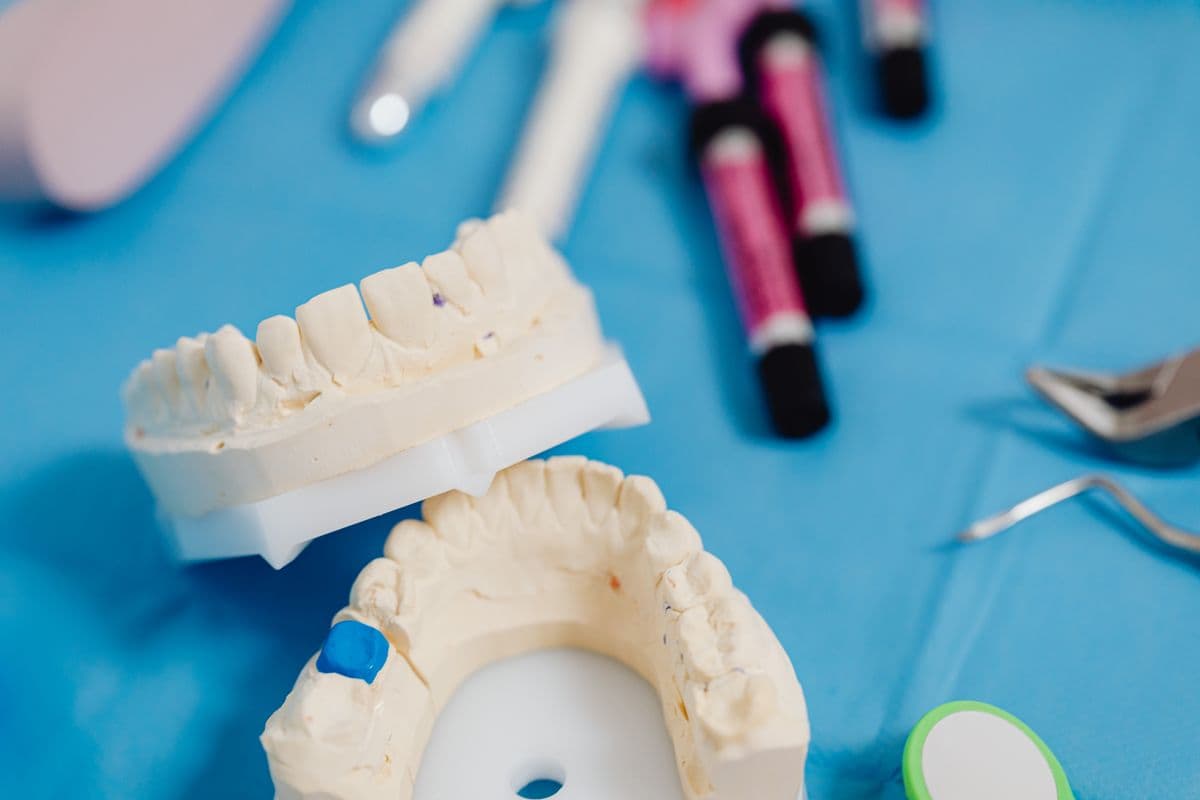
A dental crown is a custom-made cap fitted over the visible part of a tooth above the gumline.
The natural root stays in place, so the jawbone continues receiving stimulation from chewing and maintains its density.
When a Crown Is Recommended
- A tooth is cracked, broken or has extensive decay that a filling cannot reliably fix
- The tooth has had root canal treatment and needs protection from fracture
- A tooth is structurally compromised but the root system is intact and healthy
- A crown is needed to anchor a dental bridge in place
What the Crown Procedure Involves
According to Healthdirect, a crown procedure typically requires one to two dental appointments.
At the first visit, the tooth is reshaped to create room for the crown, and a digital scan or physical impression is taken so the crown can be made to fit precisely.
When the permanent crown is ready, your dentist checks the fit and bite, then cements it into place.
Crown Materials
Crowns can be made from porcelain, zirconia, gold alloy, or a combination of porcelain fused to metal, each with different properties around durability, appearance and cost.
Your dentist will recommend a material based on where the tooth sits, how much biting pressure it takes, and what outcome you are aiming for.
How Long a Crown Lasts
With proper care, a crown typically lasts 10 to 15 years or longer.
Longevity is affected by the material chosen, bite habits such as grinding, and how consistently the tooth is cleaned around the gumline.
Dental Implants: When the Tooth Cannot Be Saved
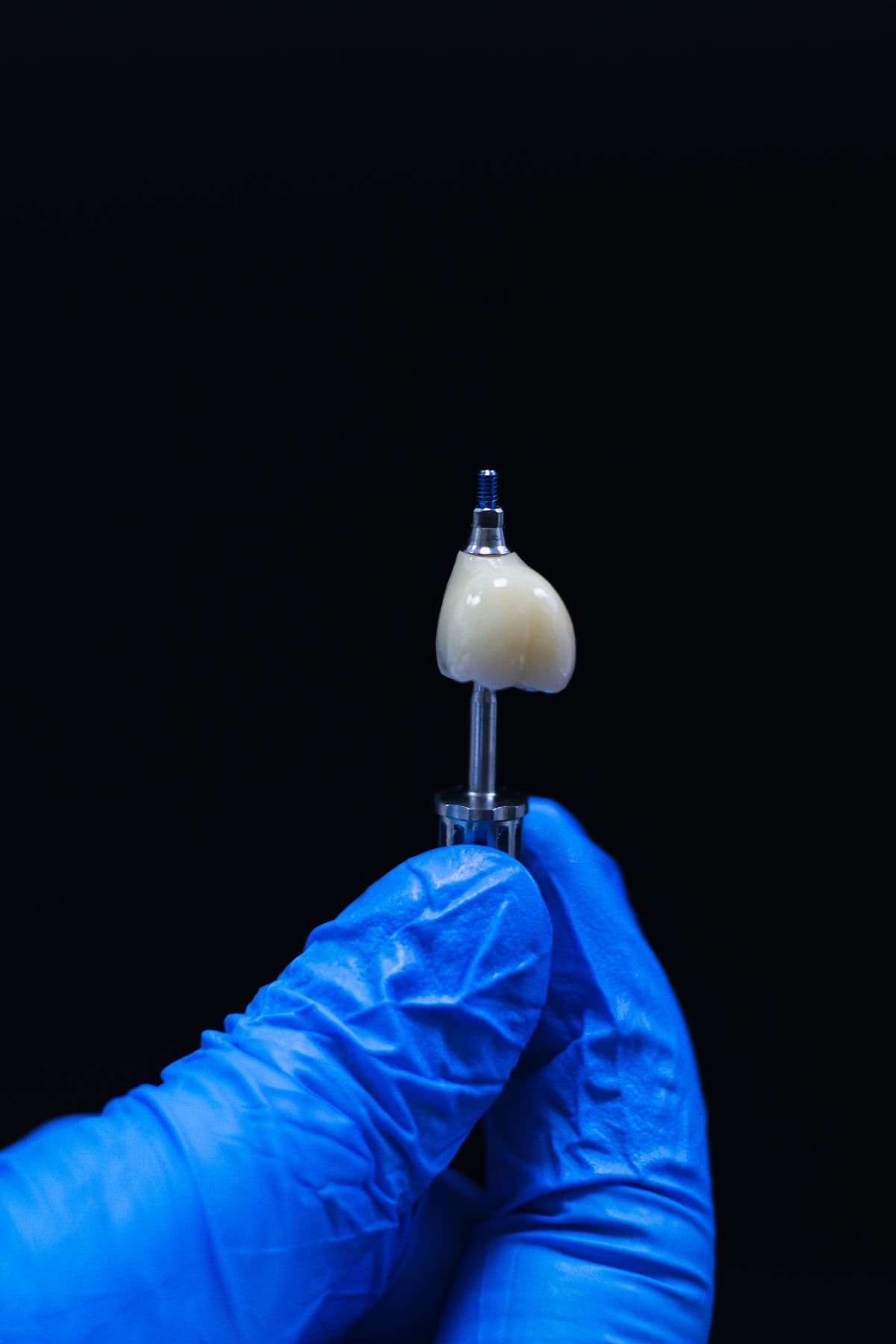
A dental implant is a complete tooth replacement system used when the natural tooth is absent or too compromised to restore.
It consists of three parts: a titanium post surgically placed into the jawbone, an abutment that connects the post to the surface, and a crown fitted on top to form the visible biting surface.
When an Implant Is Recommended
- A tooth has been lost through decay, injury or gum disease
- A tooth needs to be extracted and the root cannot be preserved
- Preventing bone loss in the jaw after extraction is a priority
- A standalone solution that does not rely on the neighbouring teeth is preferred
How the Implant Process Works
Implant treatment unfolds over several months rather than a handful of visits, because time is needed for the bone to grow around the post.
Healthdirect describes the process: X-rays are taken first to assess the jawbone, the titanium post is then surgically placed under local anaesthetic, and over roughly three months the bone fuses with the post in a process called osseointegration.
Once the implant has integrated, the custom crown is attached, completing the restoration.
How an Implant Affects the Jawbone
When a tooth is lost and not replaced, the jawbone in that area gradually loses density because it is no longer receiving stimulation from chewing.
An implant restores that stimulation and is the only tooth replacement option that actively prevents this bone loss from progressing.
One Thing That Surprises Patients
A dental implant always has a crown attached on top, so the two treatments are not entirely separate concepts.
The implant is the artificial root that sits below the gumline. The crown is the visible tooth above it. When a dentist says you need an implant, the crown on top is usually included as part of the full treatment cost.
Crown vs Implant: Key Differences at a Glance
| Dental Crown | Dental Implant | |
|---|---|---|
| What it replaces | The visible part of a damaged tooth | The entire tooth, root included |
| Natural root | Preserved in the jaw | Replaced by a titanium post |
| Procedure timeline | 1 to 2 appointments | Several months (osseointegration needed) |
| Bone preservation | Yes, via the intact root | Yes, the implant stimulates bone |
| Typical lifespan | 10 to 15+ years | Titanium post can last a lifetime; crown 10 to 15+ years |
| Starting cost (approx.) | $1,200 to $2,500 | $5,000 to $7,000 all-inclusive |
How Much Do Crowns and Implants Cost in Australia?
Based on ADA fee survey data reported by CHOICE, the average fee for a full crown in Australia sits around $1,678 when provided by a general dentist, with most patients quoted between $1,200 and $2,500 depending on the material and practice location.
Dental implants involve more stages and premium materials, so the investment is higher.
According to Healthdirect, most Australians pay between $5,000 and $7,000 for a single implant once the post, abutment and crown are all included.
These figures are a general guide. The final quote at your consultation will reflect the specific material chosen, whether any additional procedures such as a bone graft are needed, and the clinical complexity of the case.
Payment Plans
At Perfect Dental, we offer payment plans to spread the cost of restorative treatment over time. Ask our team about your options at your next visit.
Private Health Insurance and Medicare
Private health insurance extras cover can contribute toward both crowns and implants, though the rebate depends on your specific policy, your annual limit, and whether a 12-month waiting period has been served.
Medicare does not cover routine dental treatment including crowns or implants.
The Child Dental Benefits Schedule (CDBS) covers basic dental services for eligible children aged 2 to 17, but it does not extend to crowns or implants.
We have HICAPS on site, so eligible health fund claims are processed at the time of your appointment.
Questions Worth Asking at Your Consultation
- Is this tooth structurally saveable, and what are the risks if I opt for a crown rather than an extraction?
- If I go ahead with an implant, do I need a bone graft first, and how does that affect the timeline and cost?
- What material do you recommend for the crown, and why?
- What is included in the quoted fee, and are there circumstances where additional costs might arise?
- Does my health fund cover any part of this treatment, and are there waiting periods that apply?
Where to Start at Perfect Dental
Whether you are dealing with a cracked tooth, a recent extraction, or a gap that has been there for years, the right starting point is the same: a thorough examination with X-rays.
At Perfect Dental Fairfield, our team can assess the condition of the tooth and the surrounding bone, walk you through the realistic options, and give you a clear cost estimate before any treatment begins.