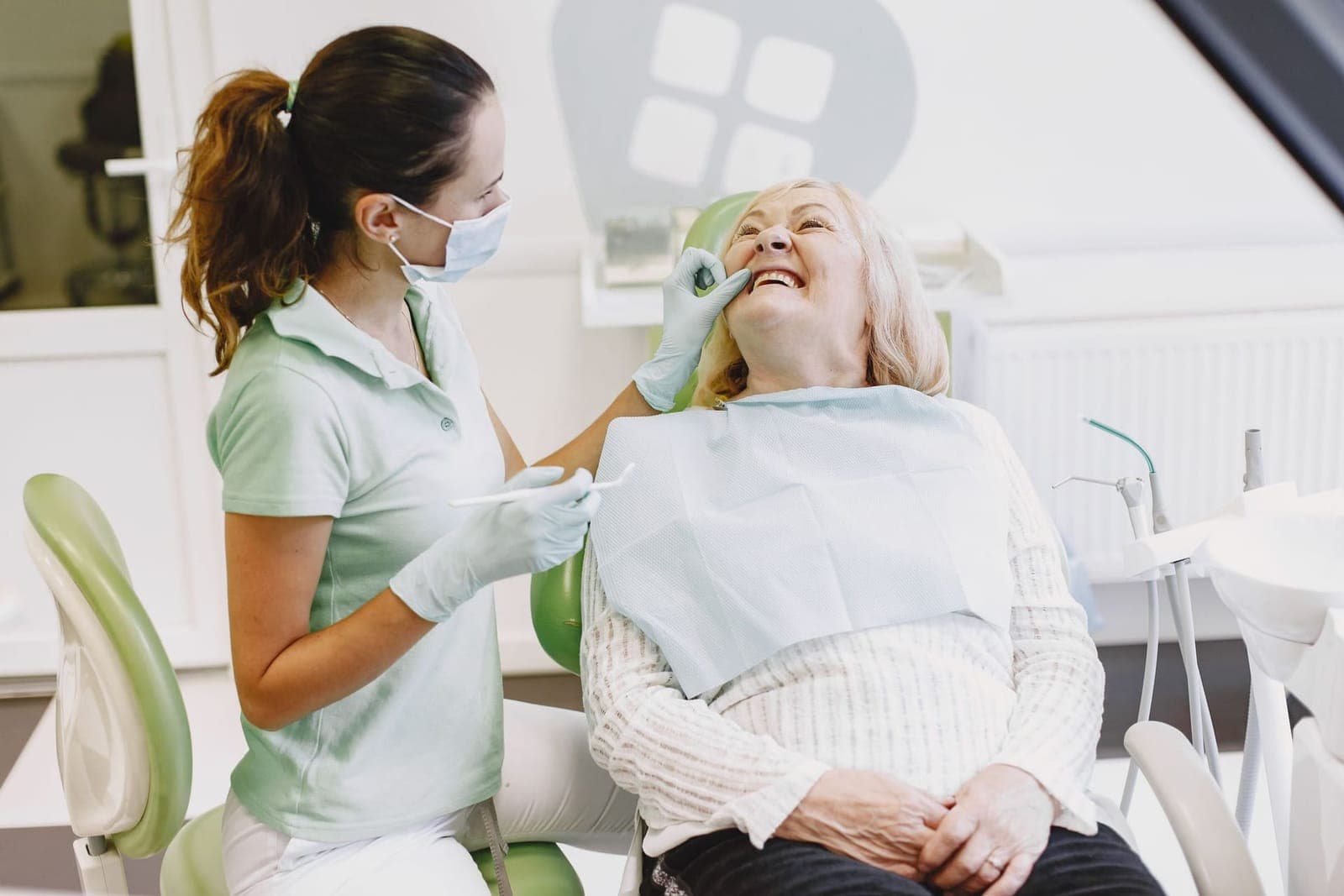
Brushing twice a day and flossing goes a long way, but it doesn't catch everything. Plaque hides in places a toothbrush can't reach, and early decay or gum inflammation rarely hurts enough to notice on your own. That's the entire point of a dental check-up and clean: it catches small problems while they're still simple and cheap to fix, instead of letting them turn into something that needs a root canal or an extraction.
If you've never had one, or it's been a while and you're not sure what to expect, here's a straightforward breakdown of what happens, how often you should really be booking one, and roughly what it costs in Australia.
What Is a Dental Check-Up and Clean?
It's a single appointment made up of two parts. First, your dentist examines your teeth, gums, bite and the soft tissue in your mouth for any early signs of decay, gum disease or anything else worth watching. Second, a dentist or oral health therapist professionally cleans your teeth, removing the plaque and tartar that build up in places your toothbrush and floss simply can't reach.
Because both parts happen in the same visit, anything the examination picks up can be discussed with you immediately, along with straightforward options while the problem is still small.
What's Actually Included
The Examination
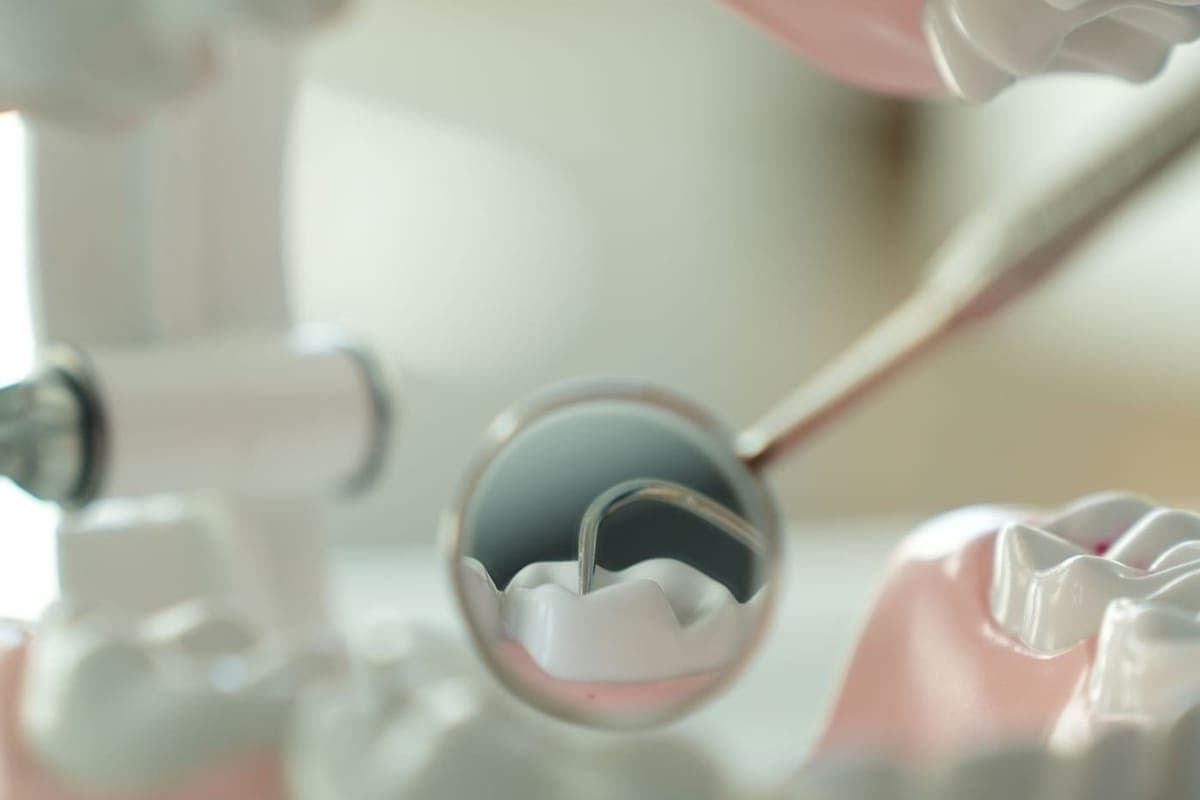
- Every tooth checked for decay, cracks and wear
- Gums checked for inflammation, bleeding or early signs of gum disease
- Bite and jaw joint assessed
- Soft tissue check of your lips, tongue and the inside of your mouth
How long this takes depends on your history and whether anything needs a closer look. For most people it's quick and comfortable, though if your gums are inflamed or a tooth is sensitive, you might feel some mild discomfort during the check.
The Scale and Polish
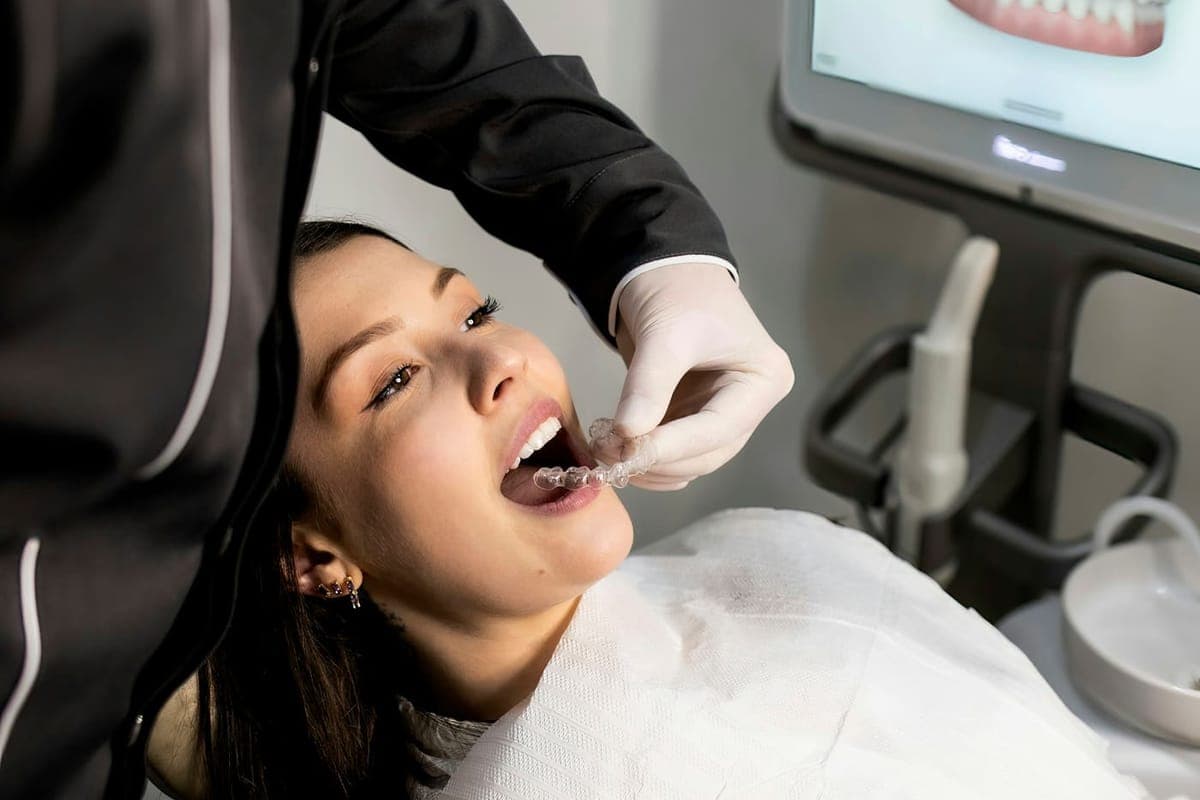
This is the actual clean. An ultrasonic scaler and hand instruments are used to lift plaque and tartar off your teeth and from around the gumline, including the spots between teeth that brushing tends to miss. Once that's done, your teeth are polished with a gritty paste that smooths the surface and lifts surface staining from coffee, tea or red wine. A quick floss usually finishes things off.
X-Rays, Only When They're Needed
X-rays aren't taken at every single visit. Your dentist will recommend them based on your symptoms, what they find during the examination, your age, how decay-prone your teeth are, and when you last had imaging done. They're a tool used when there's a clinical reason for one, not a routine add-on.
Fluoride and Advice You Can Actually Use
Where it's appropriate, a fluoride treatment is applied to help strengthen enamel. You'll also get advice tailored to you, whether that's a brushing technique that actually reaches your back teeth, how to floss without giving up after day three, or dietary habits that are quietly working against your teeth.
How Often Should You Book One?
The general guideline from Healthdirect Australia is every 6 to 12 months, and your dentist will narrow that down based on your own teeth, gums and risk factors. It's worth noting that, per the Australian Bureau of Statistics, just over half of Australians aged 15 and over (53.9%) saw a dental professional in the past 12 months, meaning a large share of people are going longer between visits than they probably should.
You may need to come in more often if you:
- Have a history of gum disease or periodontal treatment
- Smoke or vape regularly
- Are pregnant, since hormonal changes can increase gum sensitivity
- Have diabetes, which affects healing and infection risk
- Wear braces, or have implants or crowns that need monitoring
- Tend to get cavities often or build up tartar quickly
On the other end, if your teeth and gums are consistently healthy, your decay risk is low and your home care is solid, your dentist may be comfortable moving you to an annual check-up once they've seen how your mouth holds up over a few visits.
What Does a Check-Up and Clean Cost?
Nationally, the Australian Dental Association's fee survey (as reported by CHOICE) puts the average cost of a periodic check-up, exam, scale and clean, plus fluoride, at around $219, with a typical range of $162 to $309. Those figures are a general guide rather than a guaranteed price, since fees vary by practice, location and what's clinically required on the day.
What actually moves the price:
- Whether x-rays are clinically necessary, usually the biggest factor
- How much tartar needs to be removed
- Whether it's your first visit, since new patient exams are typically longer
- Routine maintenance visits for people with good home hygiene tend to sit at the lower end of the range
New Patient Offer
At Perfect Dental, new patients can start with a full check-up and clean from $99, which includes the exam, scale and clean, polish, fluoride, and x-rays if they're clinically needed.
Health Funds and HICAPS
Your rebate depends on your specific extras policy, your annual limits, any waiting periods, and the item numbers billed. We have HICAPS on site, so eligible claims can usually be processed the moment you check out, though this doesn't guarantee a specific rebate amount or eliminate a gap altogether.
Standard Clean vs Periodontal Treatment
Not every clean is the same clean. Here's how a standard check-up compares to what's needed once gum disease is actually diagnosed.
| Appointment | Typical Cost | What's Included | Best For |
|---|---|---|---|
| Standard check-up & clean | Roughly $162–$309 | Exam, scale & polish, fluoride if recommended | Routine maintenance every 6–12 months |
| Periodontal treatment (scaling & root planing) | Priced by extent of treatment | Deeper, below-the-gumline treatment for diagnosed gum disease | Patients diagnosed with gum disease |
If Your Dentist Finds a Problem
Cavities and Tooth Decay
Finding a cavity doesn't mean you're getting drilled on the spot. Your dentist will talk you through its size and location and, if treatment is needed, book a separate filling appointment. This is exactly why regular check-ups matter: catching decay early means a simple filling, rather than waiting until it hurts and needing something more involved.
Gingivitis and Gum Disease
Gums that bleed or look swollen are usually a sign of gingivitis, which is generally reversible with better home care and some professional guidance. Receding gums are a different story and can point to a more advanced form of gum disease (periodontitis) that needs a proper professional assessment.
Getting the Most Out of Your Appointment
- Brush and floss as you normally would beforehand, there's no need to overdo it
- Bring your health fund card if you'd like to claim on the spot
- Jot down any symptoms, sensitivity or concerns you want to mention
- Arrive a little early if it's your first visit, so there's time for new patient paperwork
- Ask about payment plans or fund rebates upfront if cost is a concern, we're happy to talk it through