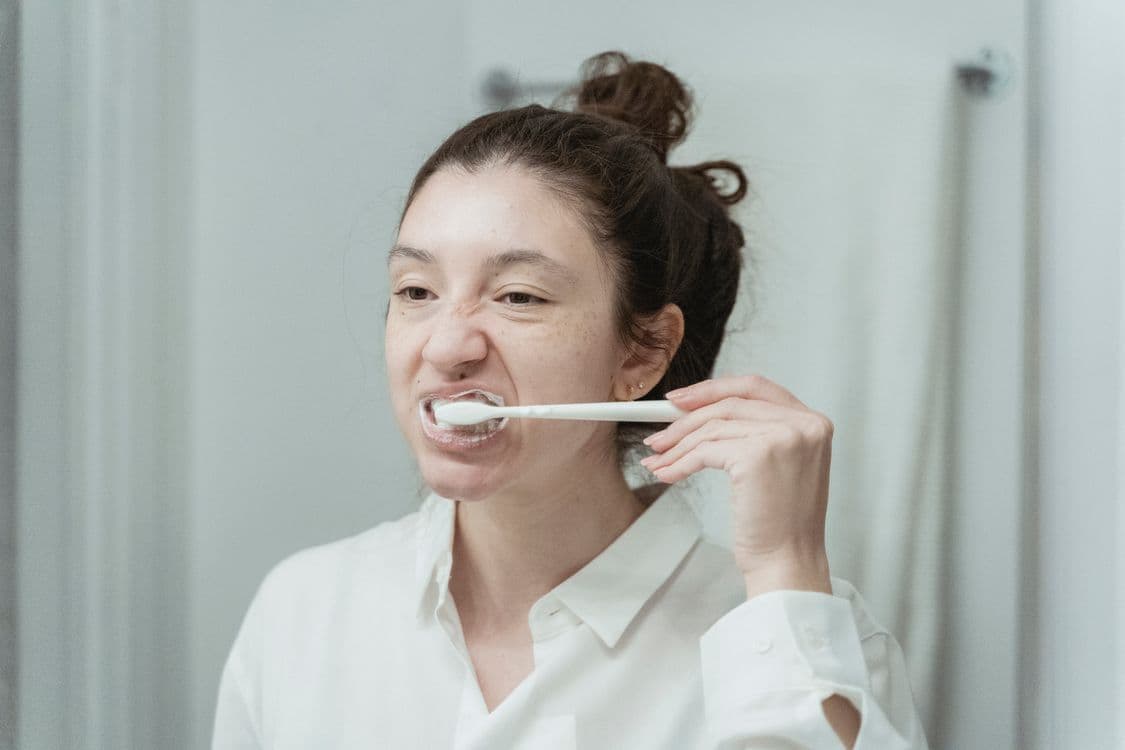
Should you brush your teeth before or after breakfast? Both can be suitable, but brushing before breakfast removes overnight plaque without the risk of brushing straight after acidic foods. Brushing after breakfast is also effective, provided enough time is allowed between eating and brushing. The best choice depends on breakfast habits, brushing timing and consistency.
Is it better to brush your teeth before or after breakfast?
Brushing teeth before or after breakfast can support good oral health, provided brushing is done correctly and consistently. Brushing before breakfast is a practical option for removing overnight bacteria, while brushing afterwards can clear food debris left behind by a meal. The main difference is how each approach affects the teeth, particularly when breakfast includes acidic foods and drinks.
Why brushing before breakfast can be beneficial
Brushing before breakfast helps remove plaque and bacteria that accumulate overnight. During sleep, saliva production decreases, allowing bacteria to build up more easily on the teeth and tongue. Brushing first thing in the morning offers several benefits:
- Removes overnight plaque: Clears away accumulated bacteria before the first meal.
- Freshens breath: Helps reduce morning breath caused by bacterial activity during sleep.
- Provides fluoride protection: Fluoride toothpaste strengthens tooth enamel and helps protect against acid attacks.
- Avoids brushing softened enamel: Cleaning before eating reduces concerns about brushing immediately after acidic breakfast foods.
Brushing before breakfast can be especially convenient for people who drink citrus juice or coffee in the morning.
Why brushing after breakfast can also work
Brushing after breakfast removes food particles and plaque following the first meal of the day. This approach may appeal to people who prefer their mouth to feel clean after eating. However, brushing immediately after eating can be problematic when breakfast contains acidic ingredients. Allowing time for saliva to neutralise acids helps reduce the risk of damaging softened tooth enamel. Australian health guidance recommends waiting at least 30 minutes after acidic foods and drinks before brushing, with the Australian Dental Association advising 60 minutes.
What happens to teeth overnight?

During sleep, reduced saliva flow allows bacteria and plaque to accumulate on tooth surfaces. This explains why teeth may feel slightly coated in the morning and why breath can smell less fresh after waking. Although these changes are normal, regular morning brushing helps remove plaque before it contributes to tooth decay or gum problems.
How bacteria and plaque build up overnight
Plaque is a sticky film containing bacteria that continuously forms on teeth. These bacteria can multiply and produce acids when exposed to sugars from foods and drinks. Without regular cleaning, plaque may contribute to cavities, gum inflammation and eventually gum disease. Brushing in the morning helps disrupt this buildup before breakfast.
How saliva helps protect teeth
Saliva naturally helps wash away food particles, neutralise acids and support enamel repair. It also contains minerals that help maintain healthy teeth. Because saliva production slows during sleep, bacteria are not cleared as efficiently overnight. Normal saliva flow generally resumes after waking, providing an important defence against acid erosion and decay.
How long should someone wait to brush after breakfast?
A waiting period of at least 30 minutes after acidic foods or drinks is generally recommended before brushing teeth. Waiting approximately 60 minutes is a more cautious approach. The Australian Dental Association advises allowing 60 minutes after acidic foods or drinks before brushing. This gives saliva time to reduce acidity and helps protect enamel from unnecessary wear.
Why brushing immediately after eating can damage enamel
Acidic foods temporarily soften the outer surface of tooth enamel. Brushing too soon may increase enamel wear, particularly when combined with hard brushing or abrasive toothpaste. Common acidic breakfast choices include orange juice, citrus fruit and some fruit-based smoothies. Acid exposure can make brushing immediately after breakfast less suitable than waiting.
What to do while waiting to brush
There are several ways to support dental health between breakfast and brushing. These options help reduce leftover acids and food debris without scrubbing softened enamel.
- Drink plain water: Helps wash away food particles and dilute acids.
- Rinse with water: Clears away some residue after eating or drinking.
- Chew sugar-free gum: Encourages saliva production, which helps neutralise acids.
- Avoid frequent acidic drinks: Reduces repeated acid exposure while enamel recovers.
These habits can complement regular brushing but do not replace cleaning with a toothbrush and fluoride toothpaste.
Does the type of breakfast affect when to brush teeth?
Breakfast choices can influence the safest time to brush teeth, especially when meals contain acidic foods and drinks. The more acidic the meal, the more important it becomes to allow sufficient recovery time before brushing.
| Breakfast option | Main dental consideration | Suggested brushing timing |
|---|---|---|
| Eggs and toast | Generally low in acidity | Before or after breakfast |
| Porridge with milk | Usually low in acidity, although added sugar matters | Before or after breakfast |
| Yoghurt with berries | Acidity varies by yoghurt and fruit | Before breakfast or around 60 minutes after |
| Orange juice and citrus fruit | Higher acidity can soften enamel | Before breakfast or around 60 minutes after |
| Coffee and toast | Acidity varies by coffee and other ingredients | Before breakfast or allow sufficient time afterwards |
These timings are general guidance rather than a precise calculation of enamel recovery. Individual dental conditions and the overall acidity of a meal may affect the most appropriate approach.
Why acidic drinks deserve extra attention
Frequent exposure to acidic drinks can gradually wear away tooth enamel. Once enamel has been lost through erosion, the body cannot naturally replace the damaged layer. The Australian Dental Association recommends limiting acidic drinks and allowing 60 minutes before brushing after acid exposure. Drinking water with or after breakfast can also help reduce lingering acidity.
What is the best morning oral hygiene routine?

A good morning oral hygiene routine involves brushing thoroughly with fluoride toothpaste, cleaning between the teeth and managing acidic food and drink exposure. The most effective routine is one that can be followed consistently without rushing. Whether morning brushing happens before or after breakfast, proper technique is more important than achieving an exact brushing time.
Step 1: Choose a suitable brushing time
Brushing before breakfast is convenient for people who regularly consume acidic foods or need to leave home quickly. For those who prefer brushing after eating, setting aside enough time helps prevent brushing too soon. The important thing is to brush consistently rather than skip the morning clean because of a busy schedule.
Step 2: Brush for two minutes with fluoride toothpaste
The Australian Dental Association recommends brushing teeth twice a day for two minutes each time. Using a soft-bristled toothbrush and fluoride toothpaste helps remove plaque while limiting unnecessary enamel and gum wear. Brushing should cover the outer, inner and chewing surfaces of every tooth. Gentle circular movements or controlled use of an electric toothbrush are preferable to aggressive scrubbing.
Step 3: Clean between the teeth
Tooth brushing alone cannot adequately clean every space between adjacent teeth. Daily flossing or suitable interdental brushes help remove plaque from areas a regular toothbrush cannot reach. Cleaning between teeth supports gum health and reduces the accumulation of bacteria along the gumline.
Step 4: Spit out excess toothpaste without rinsing
Spitting out excess toothpaste rather than immediately rinsing with water allows fluoride to remain in contact with tooth surfaces for longer. This helps maintain fluoride's protective effects after brushing. A morning routine should also include limiting frequent sugary snacks and drinking water throughout the day.
What brushing mistakes should be avoided in the morning?

Common morning brushing mistakes include brushing straight after acidic foods, applying excessive pressure and rushing through the cleaning process. These habits may reduce the effectiveness of brushing or contribute to unnecessary tooth wear.
Brushing too hard or too quickly
Aggressive brushing can irritate the gums and contribute to wear on exposed tooth surfaces. A soft-bristled brush and gentle pressure are generally sufficient to remove plaque. Rushing through brushing may also leave some tooth surfaces inadequately cleaned. Allowing two full minutes helps support more thorough cleaning.
Brushing immediately after acidic breakfast foods
Brushing immediately after eating citrus fruit or drinking fruit juice increases the risk of abrasion while enamel is temporarily softened. Waiting approximately 60 minutes after acidic food or drink exposure is a safer approach. When time is limited, brushing before breakfast can be a more practical alternative than brushing straight after an acidic meal.
Replacing brushing with mouthwash or gum
Mouthwash and sugar-free gum can provide additional benefits, but neither removes dental plaque as effectively as physical brushing. They should therefore complement rather than replace twice-daily brushing. Consistent cleaning with fluoride toothpaste remains essential for controlling plaque and reducing tooth decay risk.
Perfect Dental Fairfield
Our team can assess signs of enamel wear and recommend brushing habits suited to your individual dental needs. Book a check-up at Perfect Dental Fairfield for personalised oral hygiene advice.